Species guide
Artemisia kurramensis
Kurram santonica
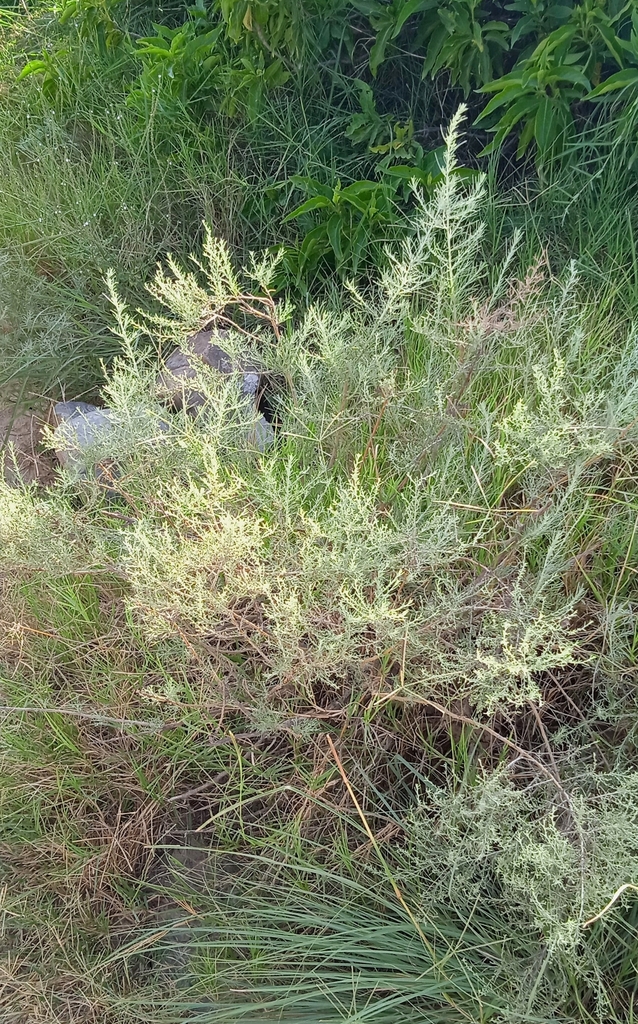
Artemisia kurramensis is a dryland Seriphidium subshrub native to Afghanistan and Pakistan, notable for its finely divided, almost conifer-like foliage and tiny clustered flower heads. Japanese cultivation records treat it as the second major santonin-bearing Artemisia introduced there after discovery in the Kurram Valley in 1947, with warm-region production peaking at about 230 tons in 1962 and later breeding work that led to Japan's first patented plant varieties.
Accepted name
Artemisia kurramensis
Subgenus
Seriphidium
Section
Seriphidium
Range
Native to Afghanistan, Pakistan
Habitat
Desert regions
Species-specific papers
0
Built from the current Artemisia.wiki dataset on 2026-03-18.